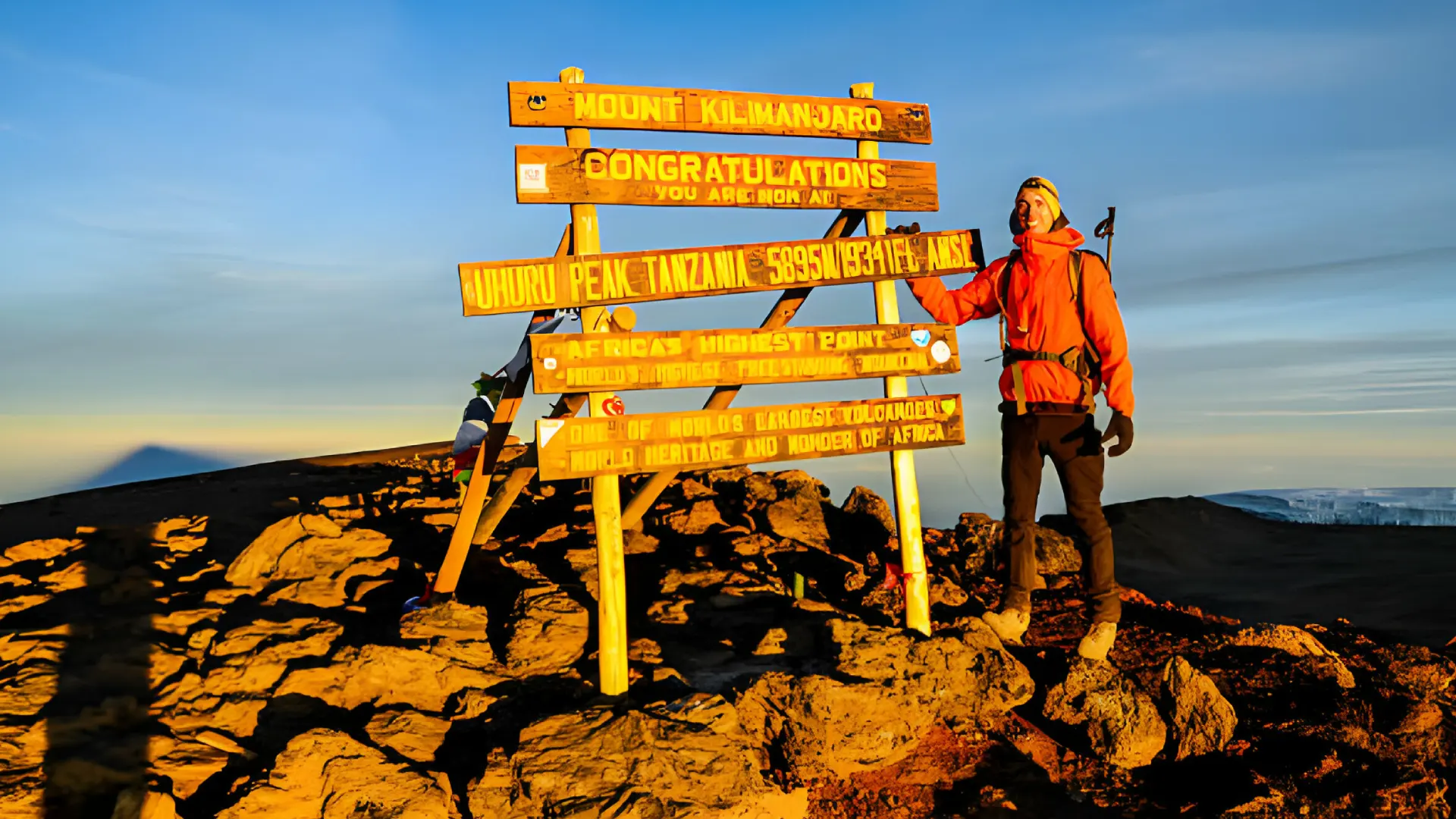
Mount Kilimanjaro presents an unparalleled challenge, distinct from expeditions to Everest, the Rockies, or the Himalayas. Towering at 5,895 meters (19,341 feet), Kilimanjaro stands as the highest point in Africa and the tallest free-standing mountain on Earth. The true appeal? You do not need to be a technical mountaineer to summit this legendary peak. No specialized ice axes or ropes are required—only your resolve, essential preparation, and sturdy trekking boots.
Climbing Kilimanjaro is a profound adventure—an ascent through five distinct ecological zones. The landscapes shift dramatically, moving from lush rainforests and alpine meadows across stark volcanic terrain to its icy, Arctic crown. The journey is not merely physical; it is a soul-stirring passage that tests your inner strength and connects you deeply with nature and local Chagga culture. Kilimanjaro delivers more than just altitude; it’s about discovering personal boundaries on the way up.
Timing your expedition is crucial for maximizing visibility, comfort, and safety.
Season | Months | Conditions & Recommendation |
|---|---|---|
Dry Season (High) | January–March & June–October | The most recommended periods. Expect stable weather, clear skies, and milder conditions. January to March is quieter with a chance of snow at the summit. June to October is peak season with excellent visibility but more crowds. |
Wet Season (Low) | April–May & November | Trails are typically muddy, slippery, and visibility is limited. April–May (Long Rains) should generally be avoided unless you are an experienced climber prepared for cold, wet conditions. November (Short Rains) is slightly better but not ideal for first-time trekkers. |
Pro Tip: For the optimal balance of good weather and fewer crowds, target late January or early September.
Choosing the right Kilimanjaro trekking route is the most significant decision you will make, impacting acclimatization, success rate, and overall experience. Each route offers a unique journey, varying in length, difficulty, and scenic beauty. Understanding the key differences is essential for planning your personalized climb.
(This section would typically break down Machame, Lemosho, Marangu, etc.)
Understanding Altitude Sickness (AMS): Altitude Sickness (Acute Mountain Sickness, or AMS) occurs when the body struggles to adjust to the lower oxygen levels at high elevations. Crucially, fitness level does not prevent AMS; awareness and preparation are essential for all climbers.
Recognizing Symptoms: Common signs include persistent headaches, nausea, dizziness, shortness of breath, and difficulty sleeping. If symptoms arise, it indicates your body requires more time to adjust.
Tips for Proper Acclimatization: The core strategy is to ascend slowly, following the Swahili mantra "pole-pole" (slowly, slowly).
Choose Longer Routes: Opting for seven or more days on the mountain helps your body acclimatize gradually, significantly improving the success rate.
Hydration: Maintain aggressive hydration by drinking 3 to 4 liters of water daily. Avoid alcohol and caffeine, which contribute to dehydration.
Communicate: Always maintain open communication with your experienced, certified guide. They are trained to monitor symptoms, conduct daily health checks (using pulse oximeters), and manage AMS safely, including recommending rest or descent if necessary.
Preparing for Kilimanjaro requires packing for five different climates—from humid rainforests to the arctic summit. Having the right, high-quality gear ensures your climb is safe and comfortable.
Category | Essential Items | Importance |
|---|---|---|
Clothing Layers | Thermal base layer (long-sleeve/bottoms); Fleece/wool mid-layer; Waterproof and windproof shell (outer layer); Heavy down summit jacket (rated for Arctic temperatures). | Essential for managing moisture and extreme temperature swings. |
Footwear | Sturdy, broken-in trekking boots (ankle support); 3-4 pairs of quality wool socks; Camp shoes or sandals. | Avoids painful blisters and provides stability on rough terrain. |
Accessories | Warm beanie/hat, gloves, sunhat, balaclava, UV sunglasses, reliable headlamp (with extra batteries). | Protection against sun, wind, and freezing nighttime temperatures. |
Daypack Essentials | 30–35 liter daypack; Water bladder/bottles (3+ liter capacity); High-energy snacks (bars, trail mix); Sunscreen, lip balm, tissues. | Carries daily needs and ensures continuous hydration. |
Camp & Hygiene | 4-season sleeping bag (rated to -10°C / 14°F); Travel towel, biodegradable wipes; Personal first aid kit. | Crucial for warmth during cold nights and overall health. |
Climbing Kilimanjaro does not demand technical skill, but it requires significant physical endurance. You will hike for 6 to 8 hours daily at high altitude, where oxygen is thin. A simple, consistent training plan focusing on stamina and leg strength is vital for success.
(This section would provide a brief overview of training focuses, such as cardio and hiking practice.)
The cost of a Kilimanjaro expedition varies based on route length, group size, and service level (Standard to Luxury).
Rank | Route | Days | Description | Price Range (USD - Standard/Shared) |
|---|---|---|---|---|
1 | Marangu Route | 5-6 | Hut accommodation, less scenic, good for beginners. | $1,500 – $2,500 |
4 | Lemosho Route | 7–8 | Very scenic, high success rate due to duration. | $1,800 – $3,600 |
5 | Northern Circuit | 8–9 | Longest, quietest, best acclimatization. | $2,300 – $5,500 |
2 | Machame Route | 6–7 | Popular, scenic, excellent for acclimatization. | $1,600 – $2,800 |
Essential Extra Costs to Budget For: Remember to budget beyond the core package price for crucial external costs, including: flights, mandatory travel insurance, visa fees ($50–$100), and especially Tipping your dedicated support crew (typically $250–$400 per climber).
Your health is our highest priority. Ensure required vaccinations (e.g., Yellow Fever if required) and recommended immunizations (Typhoid, Hepatitis) are up to date. Reputable tour operators ensure maximum safety by utilizing certified guides who conduct daily health checks and carry emergency oxygen tanks and stretchers. Consult your doctor regarding the use of preventative medication like Diamox (Acetazolamide) for altitude sickness.
The Kilimanjaro climb is a journey through five ecological zones:
Rainforest Zone (Days 1–2): Lush, moist, and rich in wildlife (1,800–2,800m).
Moorland Zone (Days 3–4): Open landscape with rocky trails and unique hardy plants (2,800–3,900m).
Alpine Desert (Days 5–6): Barren, cold, and windy (3,900–4,800m).
Arctic Zone (Summit Night): The final, strenuous push to Uhuru Peak (5,895m), often starting near midnight.
Most days involve a rewarding 5–7 hours of hiking, though summit night is the most demanding, potentially stretching up to 14 hours round trip.
Your success on Kilimanjaro is driven by mindset and consistent habit.
Pace Yourself: Embrace pole-pole (slowly, slowly) to allow your body essential time to adjust to the altitude.
Sustain Yourself: Eat regularly, even with reduced appetite, and drink water constantly.
Trust Your Team: Your guides are experts. Trust their experience and guidance completely.
Stay Positive: The mental challenge is as significant as the physical one. A positive and focused mindset is your greatest asset.
We are committed to preserving Kilimanjaro. Please choose tour operators who adhere to Leave No Trace principles, ensure ethical treatment and fair wages for porters, minimize plastic waste, and respect local communities. Your choice supports the sustainability of this natural wonder for future generations.
Your journey should not end at the summit! Celebrate your achievement by exploring other Tanzanian wonders:
Safari: Embark on a Tanzania safari tour to the Serengeti or Ngorongoro Crater to witness the Big Five and the Great Wildebeest Migration.
Relaxation: Unwind on the pristine, sun-drenched beaches of Zanzibar.
Culture: Engage with local communities through visits to Maasai villages, Hadzabe bushmen, or the Chagga people around Moshi.
Our Professional Advice: Climbing Mount Kilimanjaro is a challenging, life-affirming journey. With the right planning, mindset, and respect for the mountain and our dedicated crew, reaching the summit is absolutely achievable. That summit photo is more than proof—it’s a badge of determination, growth, and awe. We are ready to guide you to Africa’s highest peak.
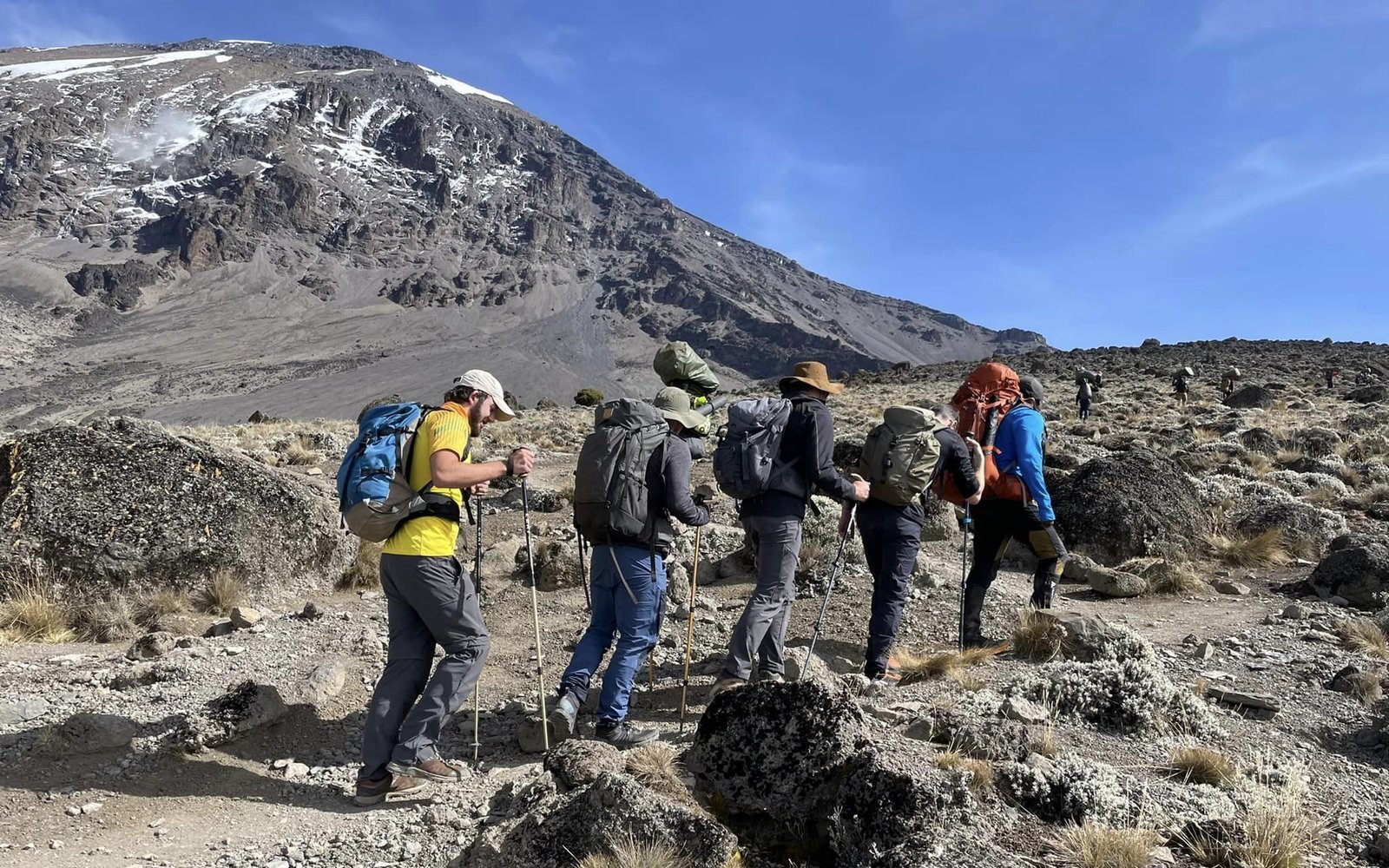
Choosing the optimal Kilimanjaro trekking route is the single most critical decision you will make, as it directly impacts your safety, success rate, and overall experience. While there are seven established routes leading to Uhuru Peak, each differs significantly in length, scenery, difficulty, and acclimatization profile.
Six of the established routes begin on the Southern side of the mountain, while one approaches from the North (Kenyan side). They are:
Northern Circuit Route
Lemosho Route
Shira Route
Machame Route (The "Whiskey Route")
Rongai Route
Marangu Route (The "Coca-Cola Route")
Umbwe Route
The best route for your climb is entirely dependent on your priorities. When planning your Kilimanjaro ascent, consider these six crucial factors:
Acclimatization: The golden rule of high-altitude trekking is to "walk high and sleep low." Routes that naturally allow for this profile—like Machame and Lemosho—significantly minimize the risk of Acute Mountain Sickness (AMS).
Summit Success Rate: This is directly tied to the length of the route. Longer routes (7 days or more) provide superior acclimatization, leading to the highest success rates.
Difficulty of the Summit Night: Routes like Machame and Lemosho approach the crater rim at Stellar Point, placing you less than an hour from Uhuru Peak. Conversely, Rongai and Marangu reach the North rim, requiring an additional two hours of demanding trekking to reach the summit.
Route Popularity (Busyness): The volume of climbers varies by season. If solitude is your priority, the Rongai Route or the Northern Circuit offers a quieter, more remote wilderness experience.
Accommodation Options: The Marangu Route is the only option offering communal dormitory-style hut accommodation, while all other routes are fully catered camping expeditions.
Safety & Terrain: All routes we offer are considered safe when trekked sensibly. We prioritize routes with well-managed trails, avoiding high-risk areas like the Arrow Point route due to unmanageable rockfall hazards.
Goal | Recommended Route(s) | Key Feature |
|---|---|---|
Highest Success Rate | Northern Circuit (8–9 Days) or Lemosho (8 Days) | Extended duration and superior acclimatization profile. |
Most Scenic Route | Lemosho Route | Remote, spectacular approach from the West with dramatic gorges and vistas. |
Quietest Route | Northern Circuit or Rongai Route | Starts on the North side, minimizing traffic seen on the popular southern approaches. |
Most Challenging | Umbwe Route | Steep and rapid ascent; requires high altitude fitness and previous experience. |
Route Name | Duration | Acclimatization & Success | Key Advantages | Price Range (USD - Standard/Shared) |
|---|---|---|---|---|
Machame Route | 6–7 Days | High Success Rate. Excellent profile allowing for "walk high, sleep low." | Highly scenic, uses separate ascent/descent routes, and features an easier summit approach via Stellar Point. | From $1,600 – $2,800 |
Lemosho Route | 7–8 Days | Highest Success Rate. Remote approach and longer duration ensure superior acclimatization. | Most scenic route, beautiful approach through rainforests, and high success rate. | From $1,800 – $3,600 |
Rongai Route | 6–7 Days | Good. Quieter, but less opportunity to "walk high, sleep low." | Only route approaching from the North, offering a true wilderness feel in early stages. | From $1,700 – $2,900 |
Northern Circuit | 8–9 Days | Best Overall. Longest duration ensures the optimal acclimatization and quietest trekking. | Highest success rate on the mountain, most remote and comprehensive experience. | From $2,300 – $5,500 |
Marangu Route | 5–6 Days | Poor. Shortest route with very low success rate due to rapid ascent. | Only route offering dormitory-style hut accommodation (no camping required). | From $1,500 – $2,500 |
Umbwe Route | 6–7 Days | Poor. Steep and rapid ascent profile; not recommended for first-time or unprepared climbers. | Very remote and quiet for the first two days; intense wilderness challenge. | From $1,700 – $3,500 |
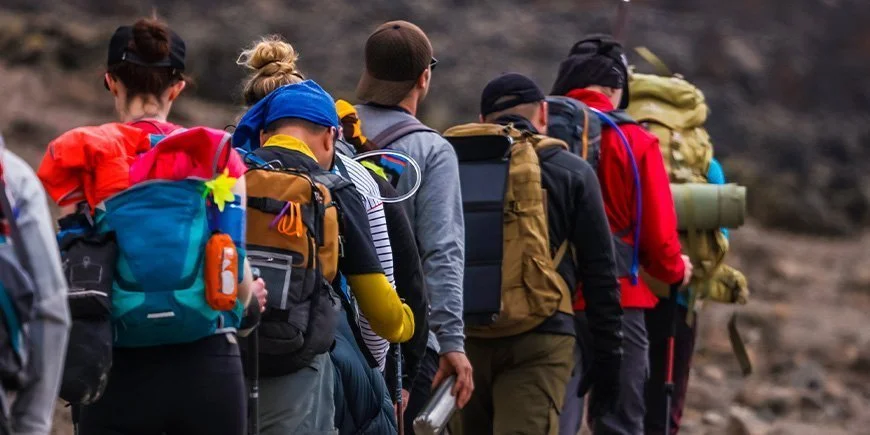
Timing your Mount Kilimanjaro expedition correctly is essential for maximizing visibility, comfort, and, most importantly, safety and enjoyment. We recommend planning your trek around the two distinct dry seasons to avoid the heaviest rains and challenging conditions.
These periods offer the most stable weather, clear skies, and milder conditions, making them the most popular and highly recommended times to climb.
Season | Months | Conditions & Recommendation |
|---|---|---|
Early Dry Season | January – March | Generally quieter on the mountain, offering fewer crowds. The weather is stable, with good visibility, and there is an increased chance of seeing a coating of snow on the summit. This is an excellent choice for those seeking a more tranquil experience. |
Peak Dry Season | June – October | This is the busiest time of year, characterized by exceptional visibility and warm days (especially at lower elevations). While you will encounter more fellow trekkers, the reliable weather makes this a prime window for trekking. |
Pro Tip for Crowd Avoidance: For the optimal balance of reliable weather and slightly fewer crowds, we recommend targeting late January or early September.
These months are defined by the rains, which can lead to challenging trail conditions and limited visibility.
Season | Months | Conditions & Recommendation |
|---|---|---|
Long Rains | April – May | Trails can be very muddy and slippery, and continuous rain limits views. This period should generally be avoided unless you are a highly experienced climber well-prepared for wet, chilly conditions. |
Short Rains | November | Conditions are typically better than the long rains of April/May, but you should still anticipate rain, making this time less ideal for most first-time climbers. |
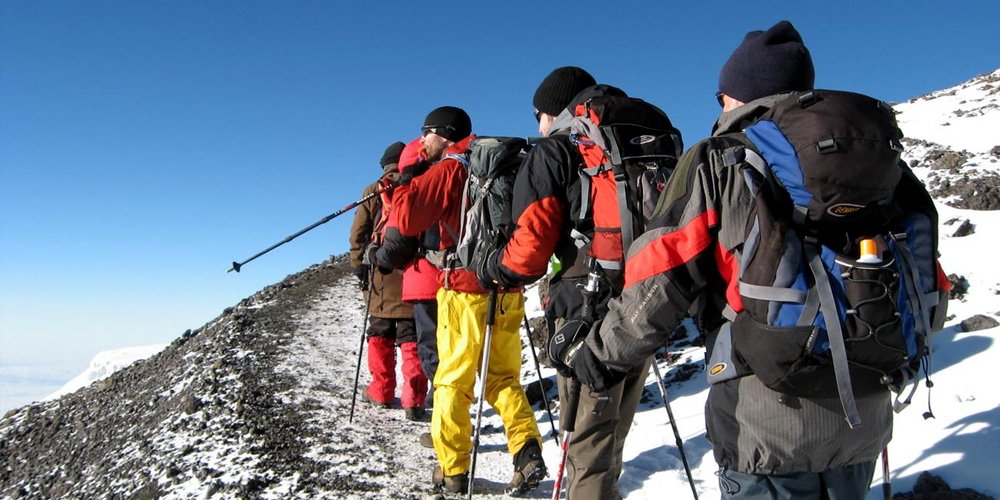
The question of Kilimanjaro's difficulty is one of the most common inquiries we receive. The answer is nuanced: while climbing the mountain is a profound challenge, it is an achievable feat for individuals with a good fitness level and, most critically, the right approach to preparation and ascent.
Kilimanjaro is often referred to as the world's most accessible high peak. Unlike major mountains such as Everest or K2, the ascent of Kilimanjaro requires zero technical climbing skills. There is no need for specialized ropes, ice axes, or complex mountaineering experience.
The climb is essentially a demanding, multi-day hike. The daily physical requirement involves trekking for 5–7 hours (and up to 14 hours on summit night) across varied terrain, from rainforests to alpine desert.
The true difficulty of Kilimanjaro lies not in the physical act of climbing but in managing the extreme altitude (Uhuru Peak is 5,895 meters). The reduced oxygen levels pose the most significant risk and the biggest barrier to summit success.
This challenge is managed through strategic pacing and route selection:
The Golden Rule: Pole-Pole: We strictly adhere to the Swahili mantra, pole-pole (slowly, slowly). A slow, deliberate pace is the single most important factor in allowing your body to acclimatize safely and effectively.
Route Duration: Choosing a longer route is essential for success. Routes spanning seven days or more, such as the Lemosho or Northern Circuit, provide the superior acclimatization profile necessary to minimize the risk of Acute Mountain Sickness (AMS).
The route you choose dramatically influences the difficulty and your probability of success:
Route Type | Acclimatization Profile | Recommendation |
|---|---|---|
High Success Routes | Lemosho (7-8 Days) & Machame (6-7 Days) | These routes facilitate the "walk high, sleep low" principle, leading to high success rates and superior acclimatization. |
Low Success Routes | Marangu (5-6 Days) & Umbwe (6-7 Days) | The rapid ascent profile on these routes leads to poor acclimatization and a significantly lower chance of reaching the summit safely. |
Conclusion: Climbing Mount Kilimanjaro requires commitment and physical preparation, but it is entirely within the reach of any determined trekker. By choosing a longer route and trusting the guidance of your professional crew—who are trained to monitor your health and manage the effects of altitude—you turn this legendary physical challenge into a life-affirming, achievable journey.
This section addresses the most common inquiries regarding logistics, safety, and preparation for climbing Mount Kilimanjaro.
What is the altitude of Mount Kilimanjaro? The peak, Uhuru Peak, stands at 5,895 meters (19,341 feet), making it the highest point in Africa and the tallest free-standing mountain on Earth.
Do I need technical climbing skills to reach the summit? No. Kilimanjaro is a non-technical trek that requires no specialized climbing skills, ice axes, or ropes—only resolve, essential preparation, and sturdy trekking boots.
What are the five ecological zones climbers pass through? The ascent progresses through the Rainforest Zone, Moorland Zone, Alpine Desert, the Arctic Zone (summit), and the final descent.
What are the most recommended months for climbing Kilimanjaro? The Dry Seasons are highly recommended: January–March and June–October, offering the most stable weather, clear skies, and milder conditions.
Which months should be avoided due to weather? The Wet Season months of April–May (Long Rains) and November (Short Rains) are generally discouraged due to muddy trails and limited visibility.
What is the ideal time to climb to minimize crowds? For a good balance of weather and fewer fellow trekkers, we recommend targeting late January or early September.
What is Altitude Sickness (AMS)? AMS occurs when the body struggles to adjust to lower oxygen levels at high elevations. It is crucial to understand that it can affect anyone, regardless of fitness level.
What is the best strategy for preventing AMS? The core strategy is ascending slowly, known as pole-pole (slowly, slowly). Choosing longer routes (seven days or more) is key for gradual acclimatization.
How much water should I consume daily during the trek? You should maintain aggressive hydration by drinking 3 to 4 liters of water daily while avoiding alcohol and caffeine.
Which routes offer the highest success rates? Longer routes like the Lemosho Route (7–8 days) and the Northern Circuit (8–9 days) generally have higher success rates due to better, more gradual acclimatization.
How do guides handle safety and health checks? Reputable operators use certified guides who conduct daily health checks, including pulse oximeter readings to monitor oxygen levels, and carry emergency oxygen tanks and stretchers.
What is the most critical item of clothing for the summit night? A heavy down summit jacket, rated for Arctic temperatures, is essential for warmth during the freezing conditions near Uhuru Peak.
What advice is most important regarding trekking boots? Ensure you bring sturdy, broken-in trekking boots with ankle support to prevent painful blisters and ensure stability on rough terrain.
What is the typical expected daily hiking duration? Most days involve a rewarding 5–7 hours of hiking. However, the strenuous summit night can stretch up to 14 hours round trip.
What is the support crew's role during the expedition? The dedicated support crew typically includes a highly experienced lead guide, porters who carry gear and supplies, and a cook who prepares hot meals at camp.
What is the typical cost range for a standard climb package? Standard group/shared treks typically range from $1,500 to over $5,500 per person, dependent on the chosen route duration and service level.
What crucial extra costs should I budget for? You must budget beyond the package price for flights, mandatory travel insurance, visa fees ($50–$100), and Tipping your dedicated support crew (typically $250–$400 per climber).
How far in advance should I train for the climb? While no technical skills are needed, a consistent training plan focusing on stamina and leg strength is vital for success. We recommend starting your training plan several months in advance.
What is the principle of Responsible Trekking? Responsible trekking means choosing operators who adhere to Leave No Trace principles, ensure ethical treatment and fair wages for porters, and minimize environmental impact.
What activities are recommended after a successful summit? Celebrate your achievement by exploring other Tanzanian wonders, such as an African Tanzania safari tour (Serengeti/Ngorongoro) or relaxing on the pristine beaches of Zanzibar.